All year round
This 16-day cultural tour across Georgia is designed to give travelers a comprehensive experience of...
Tour Category :
 Contact Us
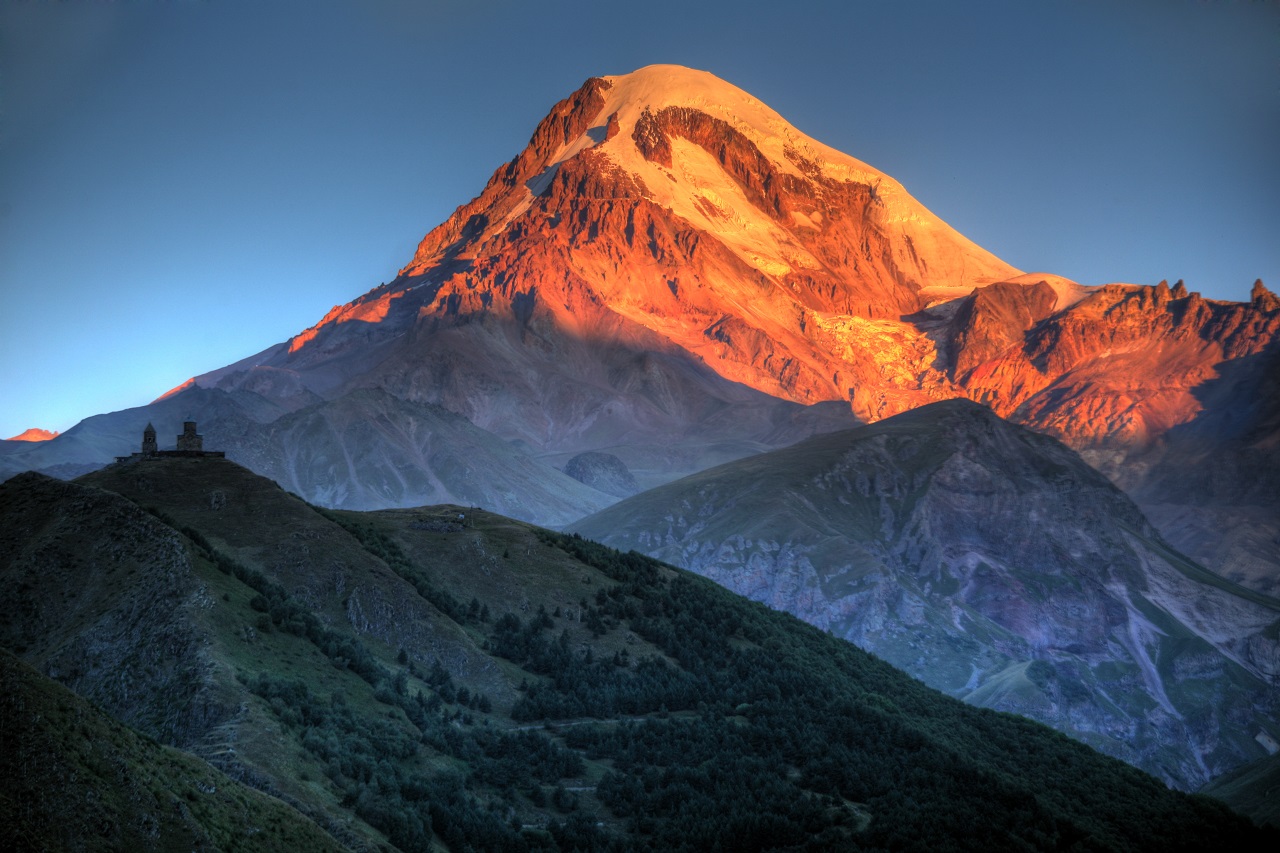
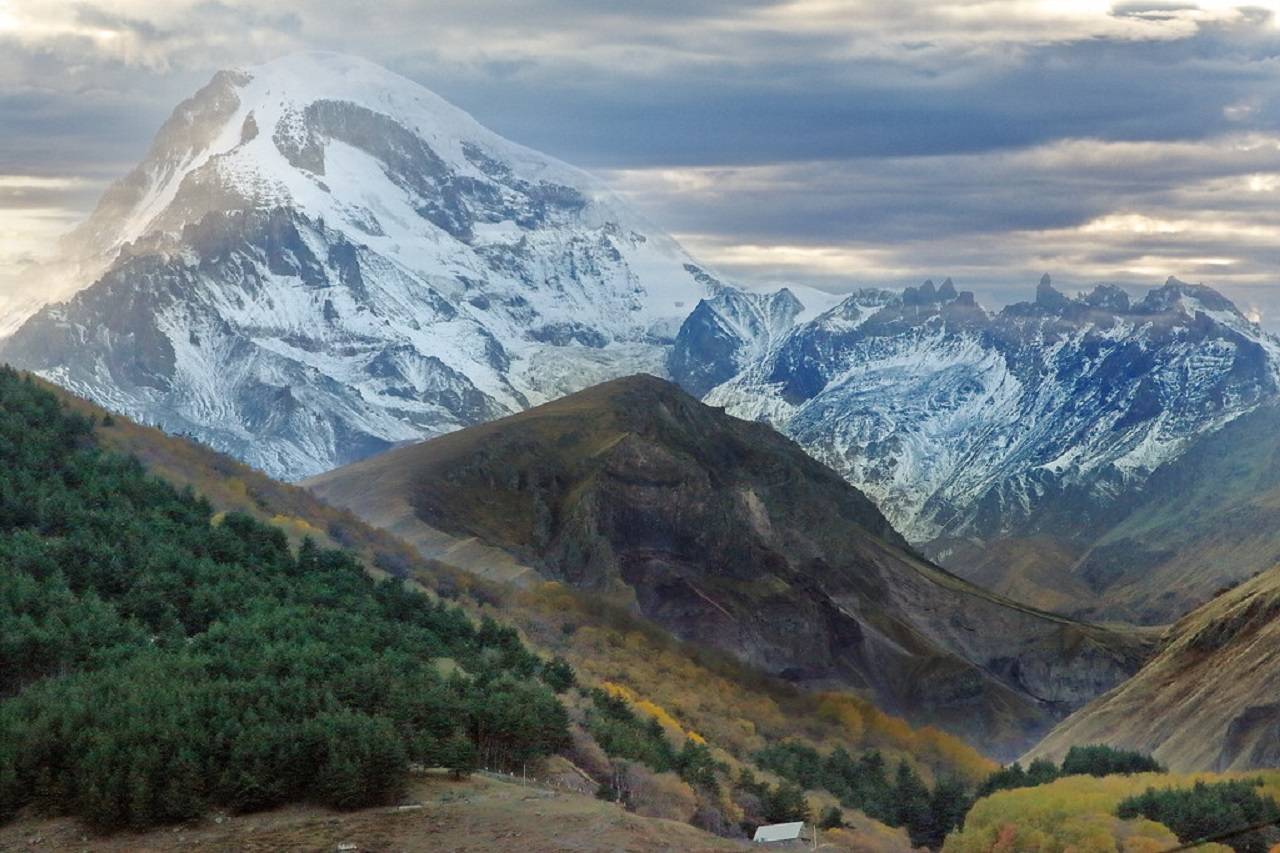
Kazbegi is one of Georgia's most iconic mountain destinations, nestled in the heart of the Greater Caucasus along the historic Georgian Military Highway. Renowned for the snow-capped peak of Mount Kazbek, the iconic Gergeti Trinity Church, and spectacular alpine scenery, the region offers an unforgettable blend of breathtaking landscapes, rich cultural heritage, and year-round outdoor adventures.
Part of the Mtskheta-Mtianeti region, Kazbegi encompasses the historic province of Khevi, with the mountain town of Stepantsminda serving as its gateway. Shaped by centuries of history and its strategic location between the North and South Caucasus, the region has preserved a unique mountain culture and traditions.
Today, Kazbegi is one of Georgia's premier destinations for hiking, mountaineering, scenic road trips, and nature lovers. From glacial valleys and dramatic waterfalls to remote mountain villages and panoramic viewpoints, it offers some of the most spectacular landscapes in the Caucasus.
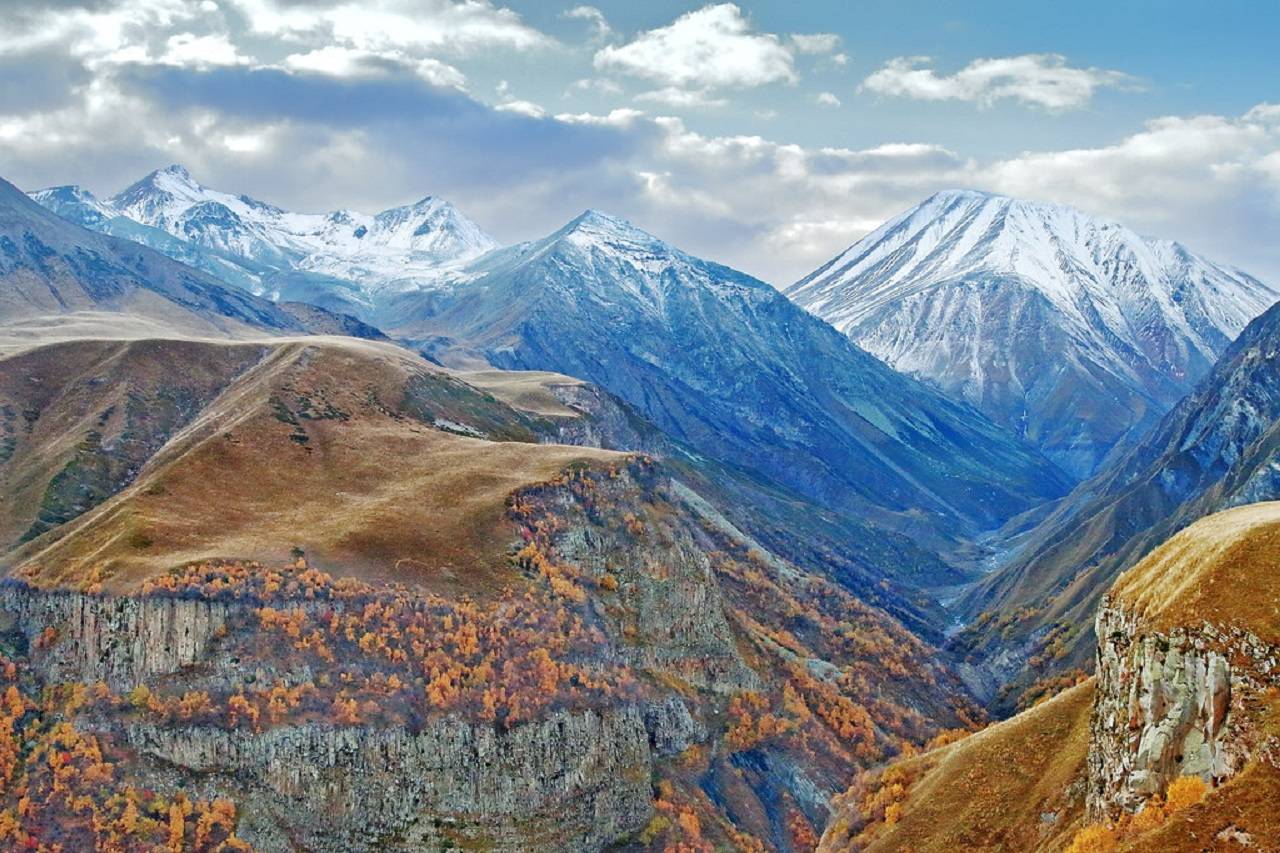
Located in the northernmost part of eastern Georgia, Kazbegi lies within the Greater Caucasus Mountains along the historic Georgian Military Highway. The municipality encompasses the historic region of Khevi, a land of dramatic peaks, deep river gorges, alpine meadows, waterfalls, and glaciers that create some of the country's most breathtaking mountain scenery.
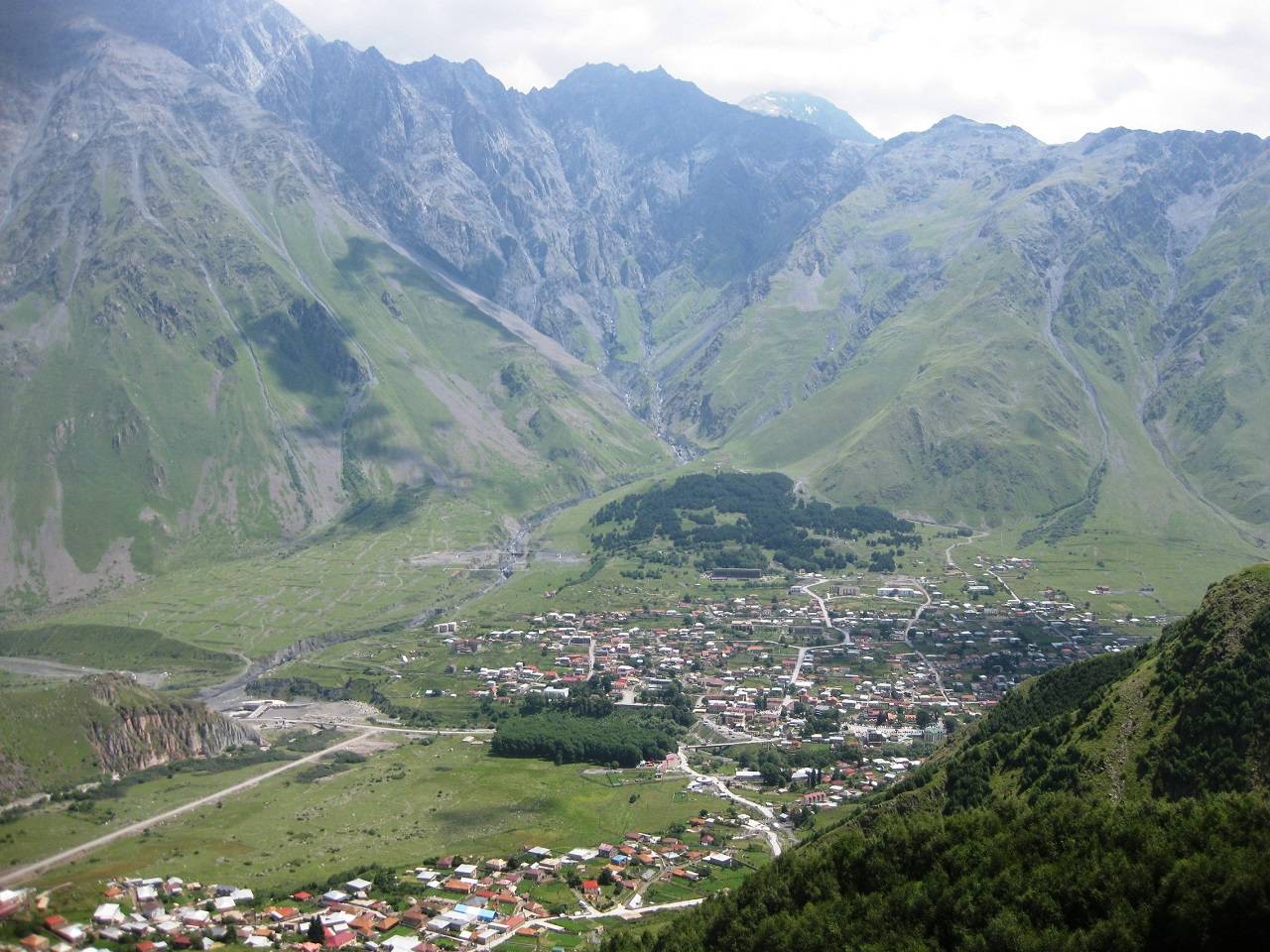
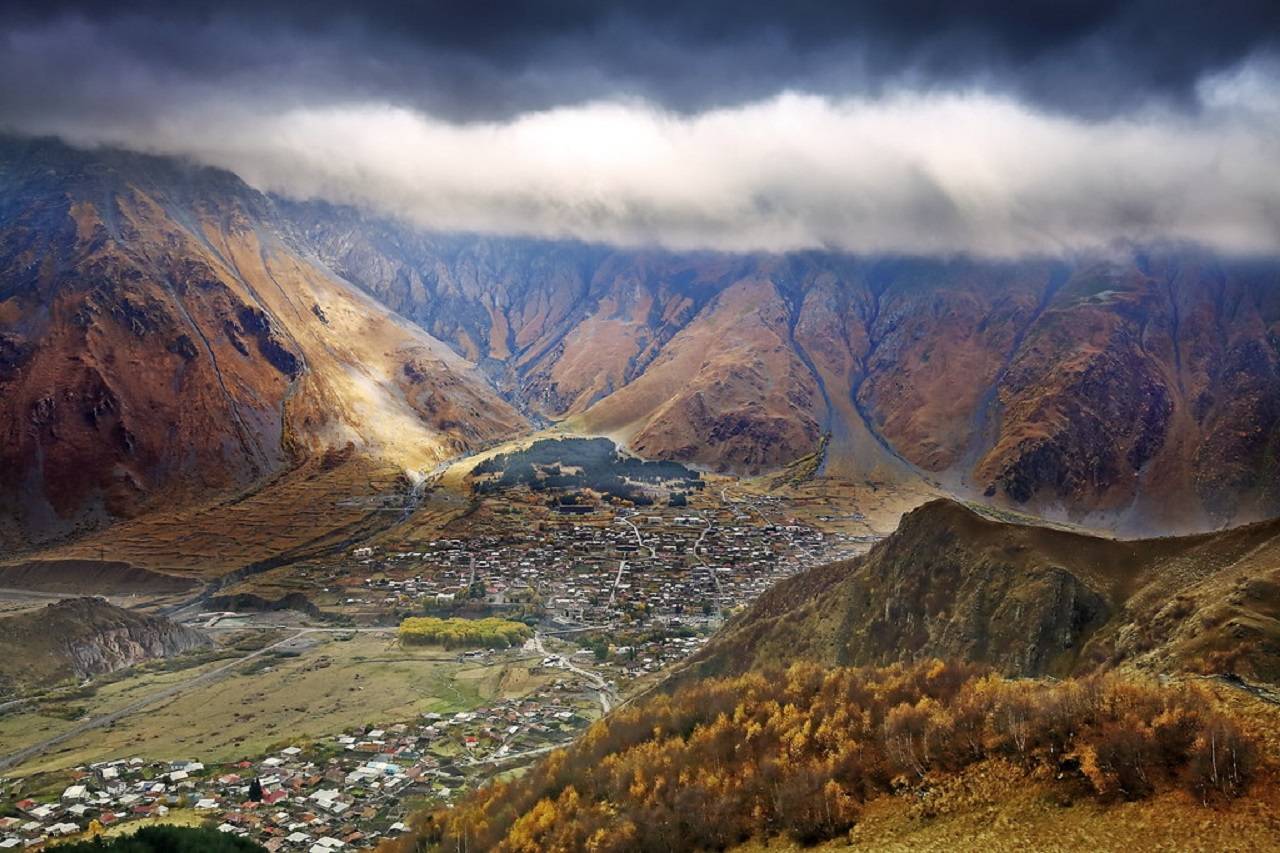
At the heart of the region is Stepantsminda, a charming mountain town situated at an elevation of 1,740 m on the banks of the Tergi River, approximately 157 km north of Tbilisi. Towering above the valley is Mount Kazbek (5,054 m), one of the highest and most iconic peaks in the Caucasus. Just north of the town lies the spectacular Darial Gorge, a narrow canyon that has served for centuries as one of the principal gateways between the North and South Caucasus.
Kazbegi enjoys a cool alpine climate, with mild summers and cold, snowy winters. Summer temperatures provide ideal conditions for hiking, mountaineering, and exploring the region's valleys and mountain trails, while winter blankets the landscape in snow, creating spectacular scenery for winter adventures and photography. Thanks to its high elevation, the region offers refreshing mountain air throughout the warmer months, making it one of Georgia's most popular escapes from the summer heat.
The history of Kazbegi is inseparable from its remarkable location at the crossroads of the North and South Caucasus. Encompassing the historic province of Khevi, the region has long been shaped by the nearby Darial Pass, one of the Caucasus' most important natural gateways. For centuries, this strategic corridor connected the North and South Caucasus, making Khevi both a cultural crossroads and an area of great military importance.
Protected by its rugged mountain terrain, Khevi developed differently from much of medieval Georgia. Its communities remained largely free from the feudal system and were governed by a khevisberi, or "gorge elder" - a respected leader who served as a judge, military commander, and spiritual figure. The people of Khevi, known as the Mokheves, became renowned for their independence, resilience, and loyalty to the Georgian crown.
Following the Russian annexation of eastern Georgia in 1801, Khevi became part of the Russian Empire. Although the Mokheves resisted the new rule, their traditional way of life survived well into the Soviet period, when collectivization, political repression, and forced resettlement gradually transformed the centuries-old mountain communities. Today, Kazbegi's medieval churches, defensive towers, ancient shrines, and living traditions preserve the rich heritage of one of Georgia's most distinctive mountain regions.
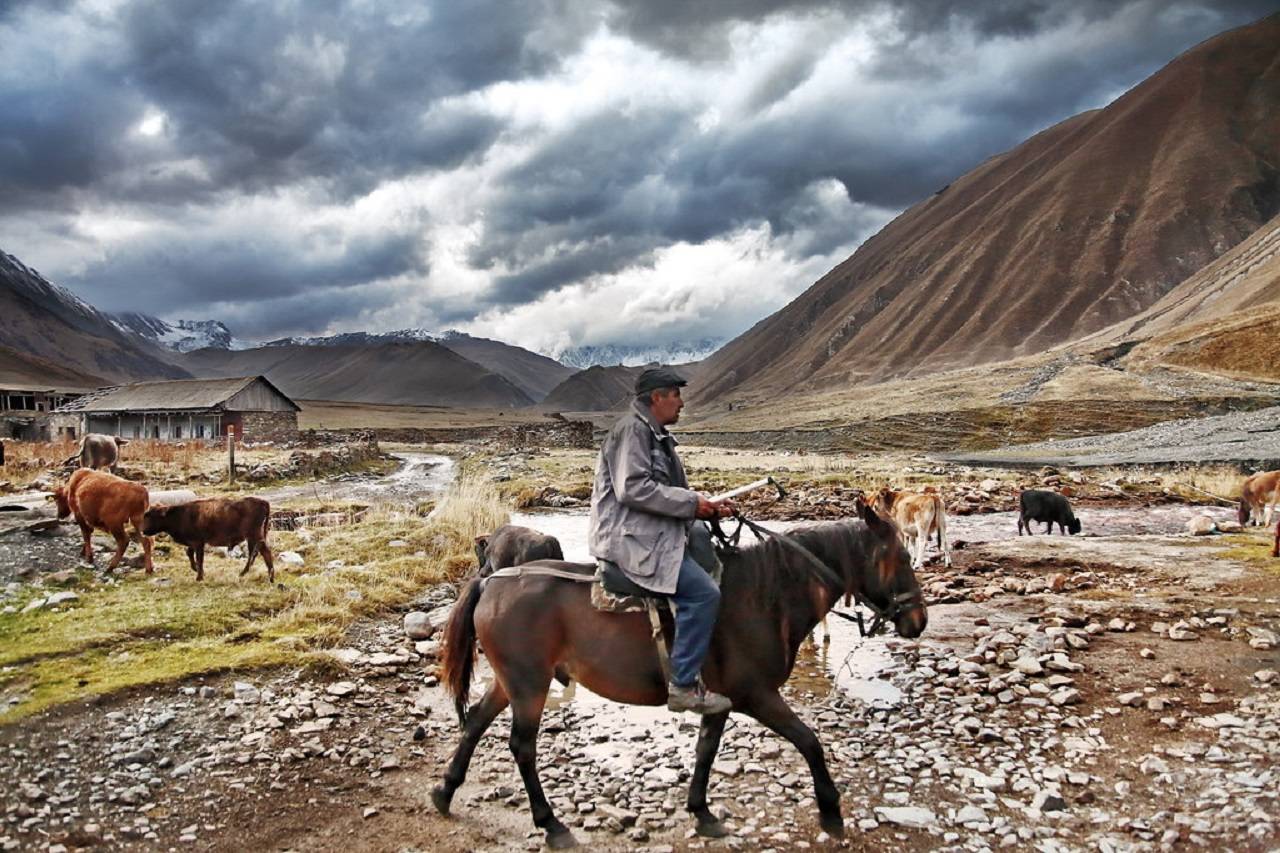
The heart of Kazbegi is its people. The region is home to the Mokheves, a historic highland community whose identity has been shaped by centuries of life in the Caucasus Mountains. Known for their resilience, independence, and warm hospitality, they have preserved traditions that continue to define the cultural character of Khevi today.
Protected by the surrounding mountains, the Mokheves developed a unique way of life, remaining largely independent from the feudal system that prevailed across much of medieval Georgia. Their communities were led by a khevisberi, or "gorge elder," a respected leader who served as a judge, military commander, and spiritual figure.
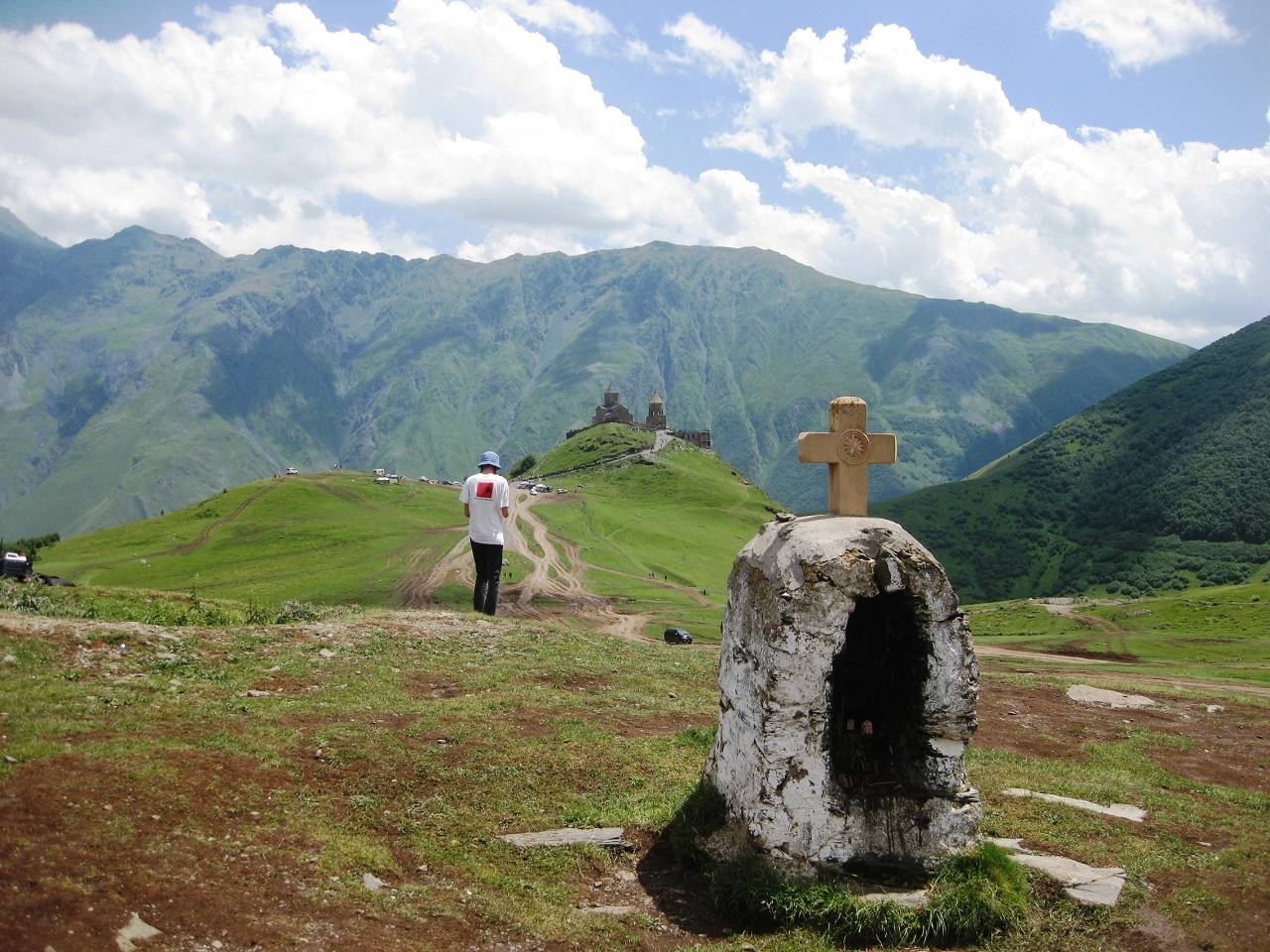
One of the most distinctive aspects of Mokheve culture is the blend of ancient mountain beliefs and Eastern Orthodox Christianity. Traditional stone shrines known as nishi can still be found throughout the region, reflecting centuries-old customs that survived alongside Christianity and continue to play a role in local festivals and mountain traditions.
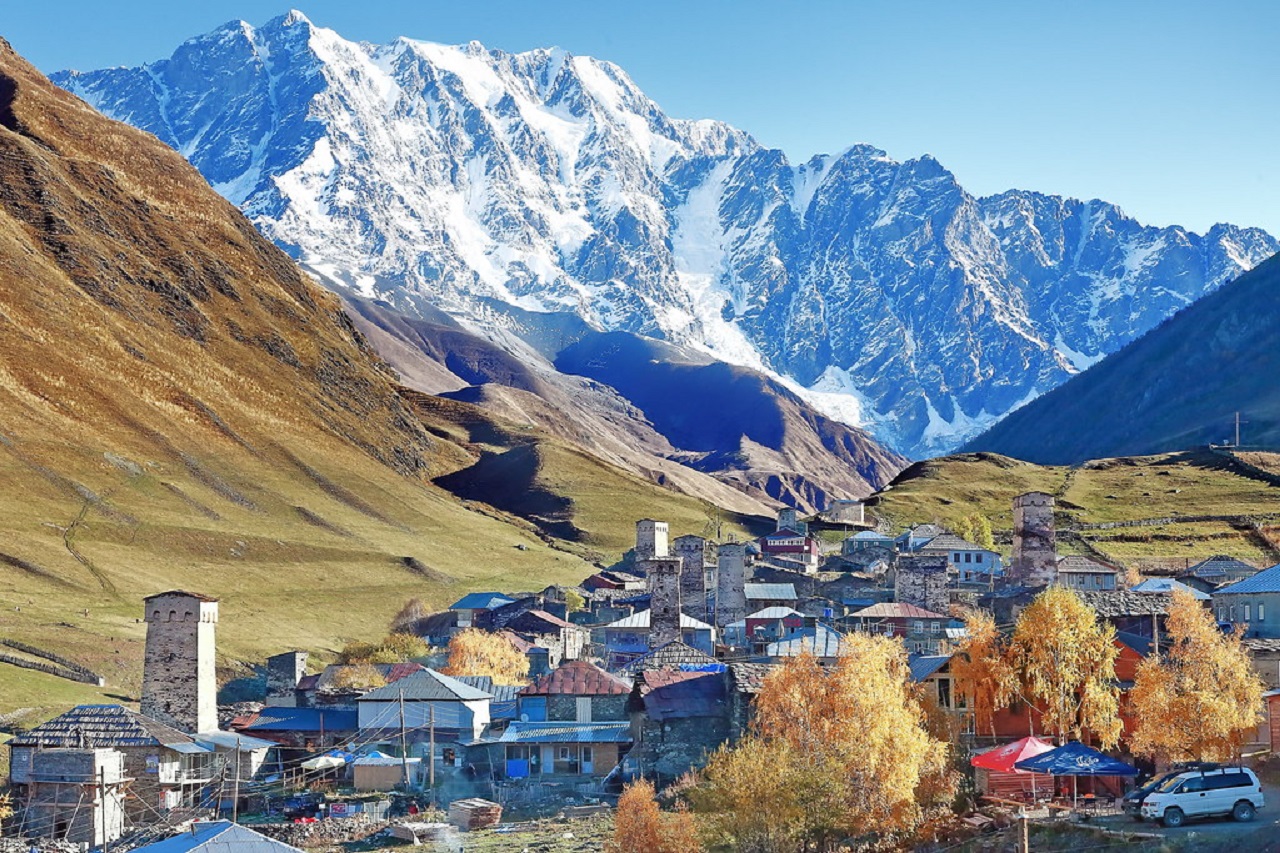
Khevi is also renowned for its rich folklore, traditional music, and distinctive mountain dances. Among the best known are Tsdo, a ceremonial men's dance rooted in ancient mountain rituals, and Kazbegura, an energetic folk dance inspired by the spirit of the Caucasus highlands. The region's medieval churches, defensive towers, and centuries-old stone villages further reflect its remarkable cultural heritage.
Mountain life has also shaped the cuisine of Khevi. Rich in protein and dairy, traditional dishes provided the nourishment needed to endure long, harsh winters. The region is widely regarded as the birthplace of khinkali, Georgia's iconic dumplings, alongside a variety of dairy products and hearty meat dishes that remain central to local cuisine today.
Located just a few hours' drive from Tbilisi and easily accessible via the scenic Georgian Military Highway, Kazbegi has become Georgia's most visited mountain destination. From hiking and trekking to cultural sightseeing and breathtaking alpine scenery, the region offers unforgettable experiences in every season.
Hiking and trekking are the most popular activities in Kazbegi, with trails leading to Gergeti Trinity Church, Gergeti Glacier, Juta Valley, Truso Valley, and the dramatic Chaukhi Massif. From easy walks to challenging alpine routes, hikers can experience some of the finest scenery in the Greater Caucasus.
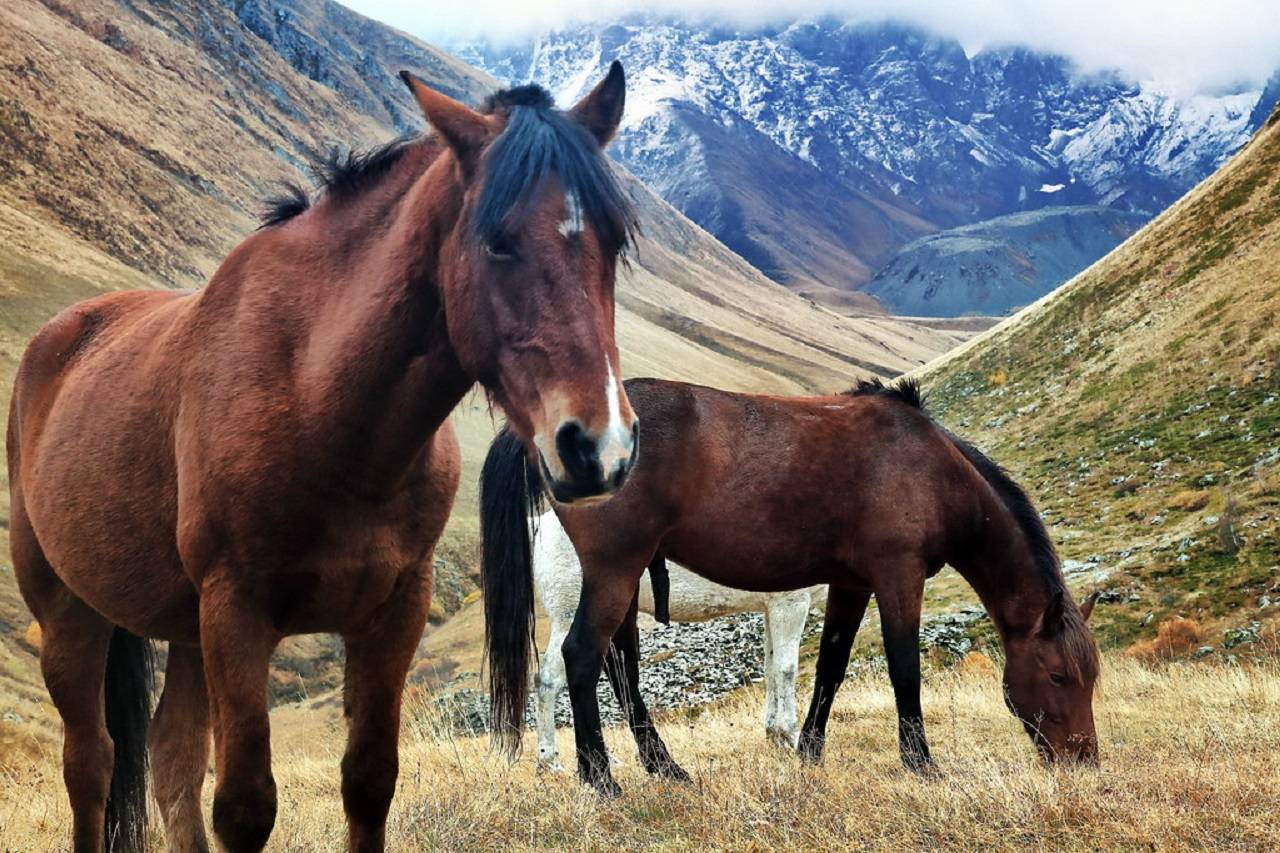
Visitors can also explore the historic Georgian Military Highway, discover remote mountain villages, visit ancient churches and fortresses, enjoy horse riding, mountain biking, and off-road adventures, while experiencing the authentic culture, traditions, and cuisine of the Khevi region.
Winter transforms Kazbegi into a paradise for snow lovers. The region is renowned for ski touring, splitboarding, snowshoeing, and winter mountaineering, while the nearby Kobi–Gudauri ski area offers excellent opportunities for skiing and snowboarding surrounded by the spectacular landscapes of the Greater Caucasus.
Photography, wildlife watching, and simply admiring the magnificent views of Mount Kazbek make Kazbegi an unforgettable destination throughout the year.
From iconic landmarks and ancient churches to dramatic mountain valleys, glaciers, and waterfalls, Kazbegi is home to some of Georgia's most breathtaking natural and cultural attractions. Here are the highlights you shouldn't miss during your visit.
Gergeti Trinity Church - Georgia's iconic mountaintop church beneath Mount Kazbek
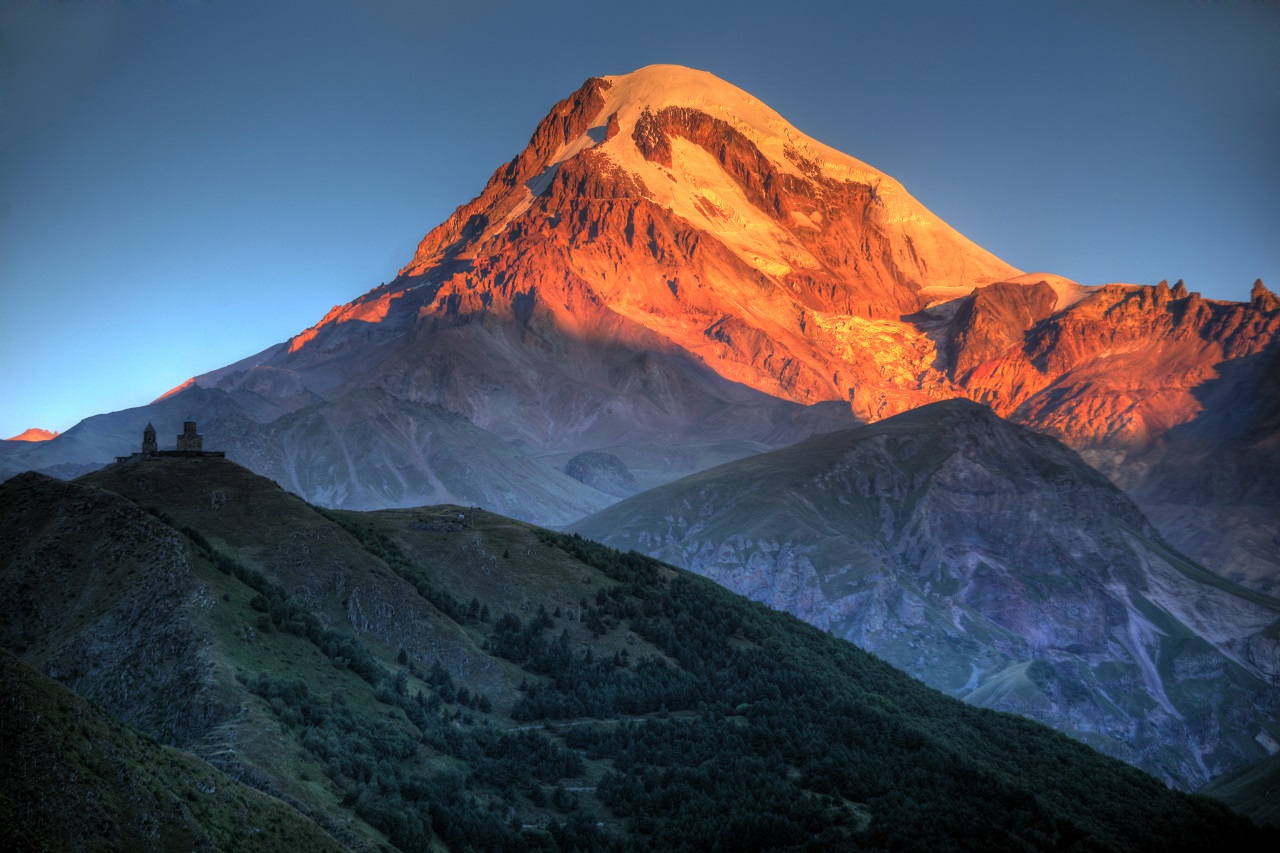
Mount Kazbek - one of the highest and most recognizable peaks in the Caucasus
Stepantsminda - the main gateway to Kazbegi and the surrounding mountains
Juta Valley - one of Georgia's most beautiful alpine valleys
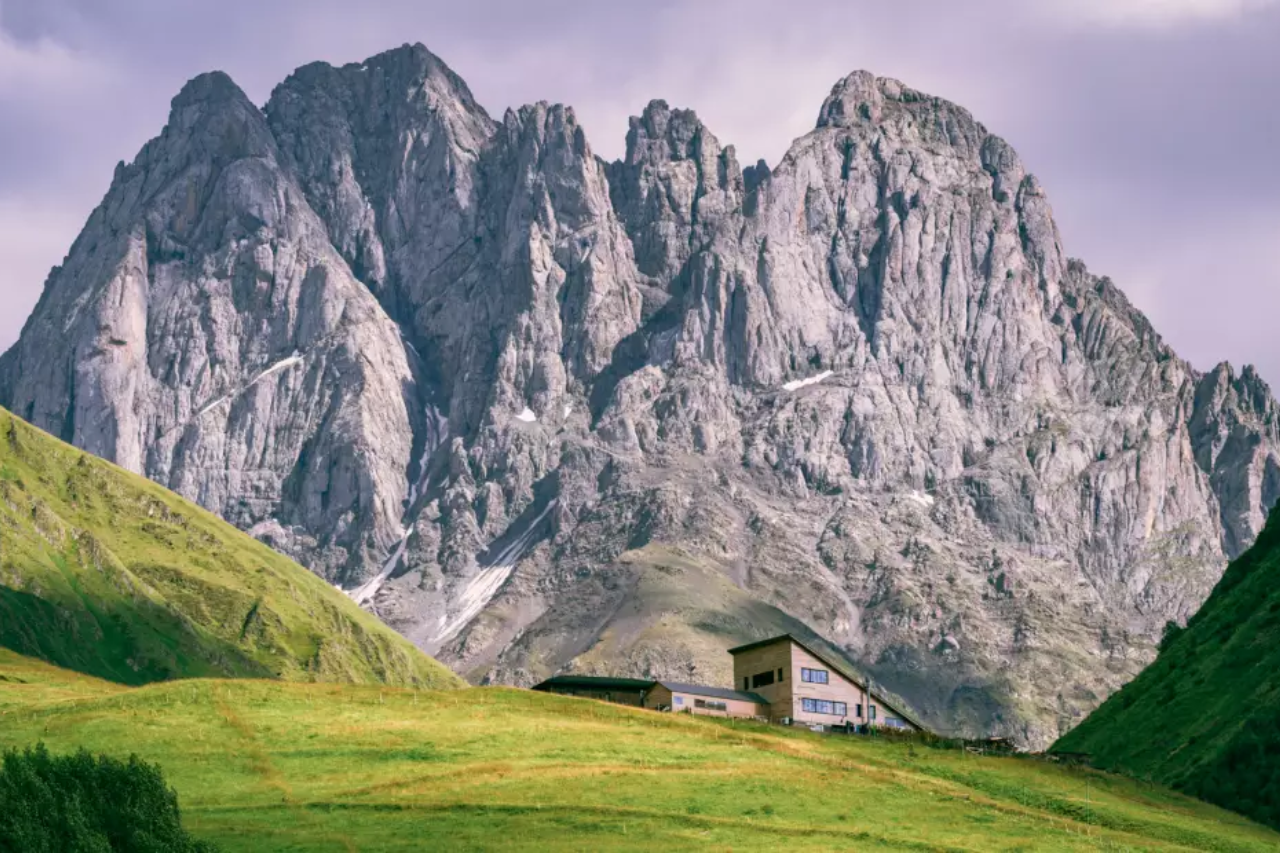
Chaukhi Massif - dramatic jagged peaks known as the "Georgian Dolomites"
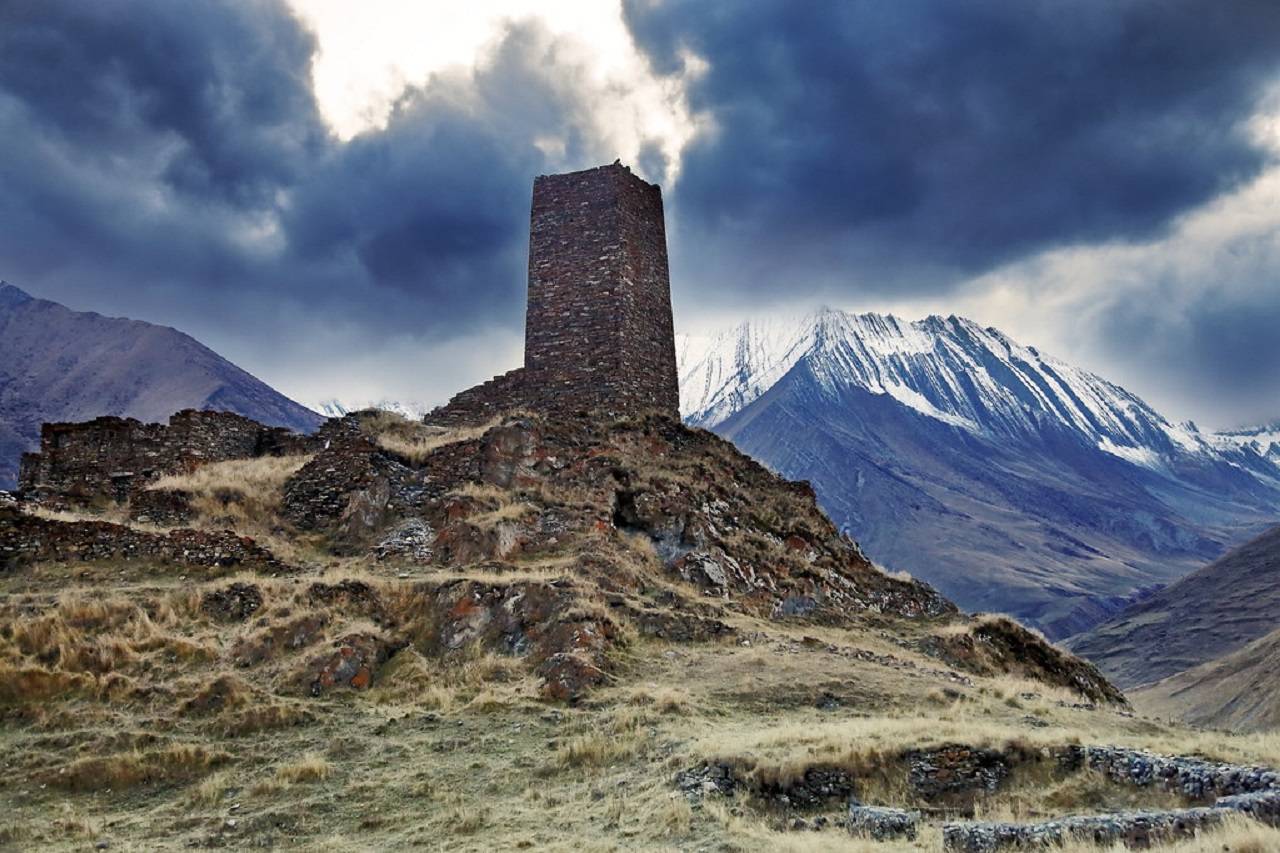
Truso Valley - colorful mineral springs, travertines, medieval towers, and abandoned villages
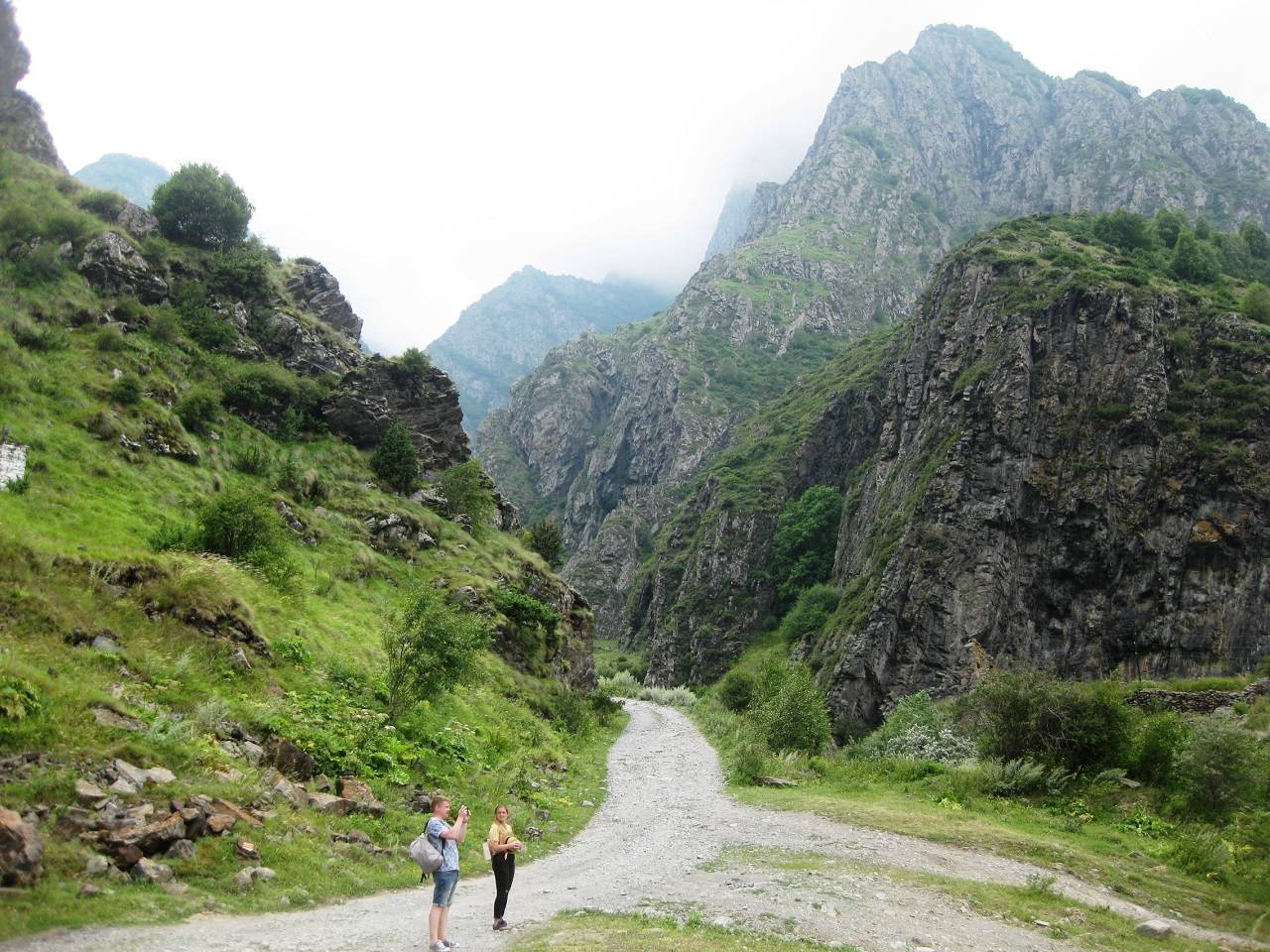
Dariali Gorge - a spectacular canyon on the historic Georgian Military Highway
Gveleti Waterfalls - picturesque waterfalls reached by an easy hiking trail
Gergeti Glacier - a rewarding alpine hike with impressive glacier views
Sno Valley - traditional villages, medieval towers, and monumental stone sculptures
Region Activities Description
This 16-day cultural tour across Georgia is designed to give travelers a comprehensive experience of...
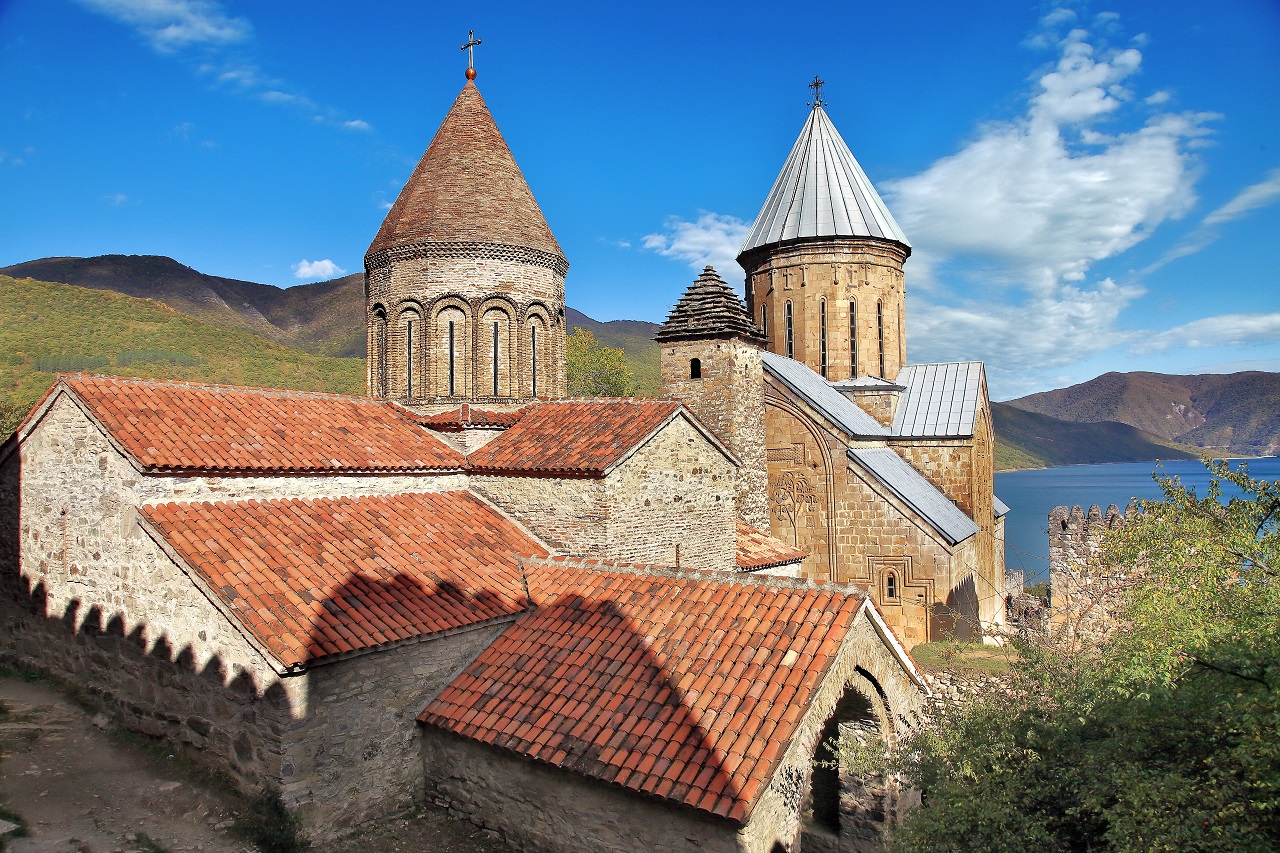
A day tour to Ananuri and Kazbegi in north-eastern Georgia is a perfect escape into the heart of the...
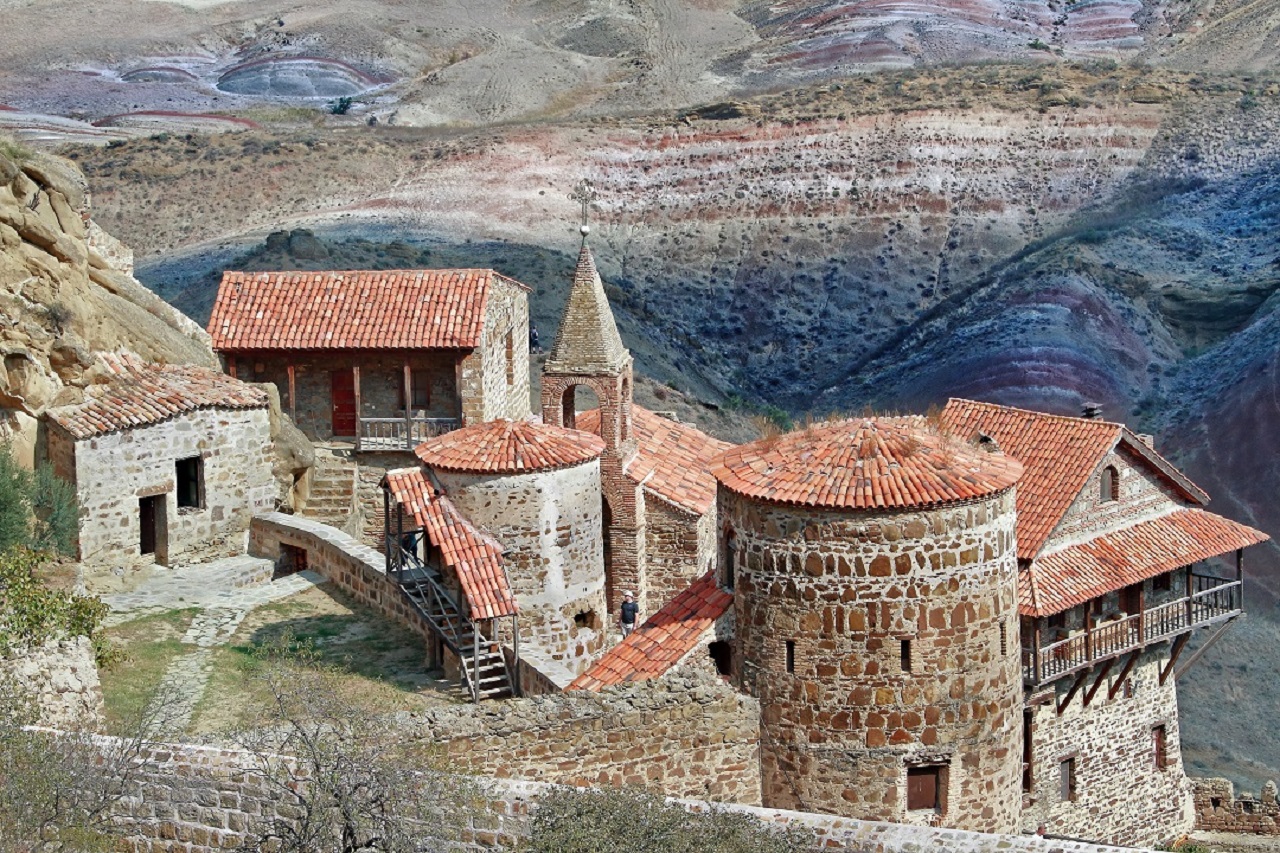
This Eastern Georgia cultural tour explores key cultural and natural highlights of the region, showc...
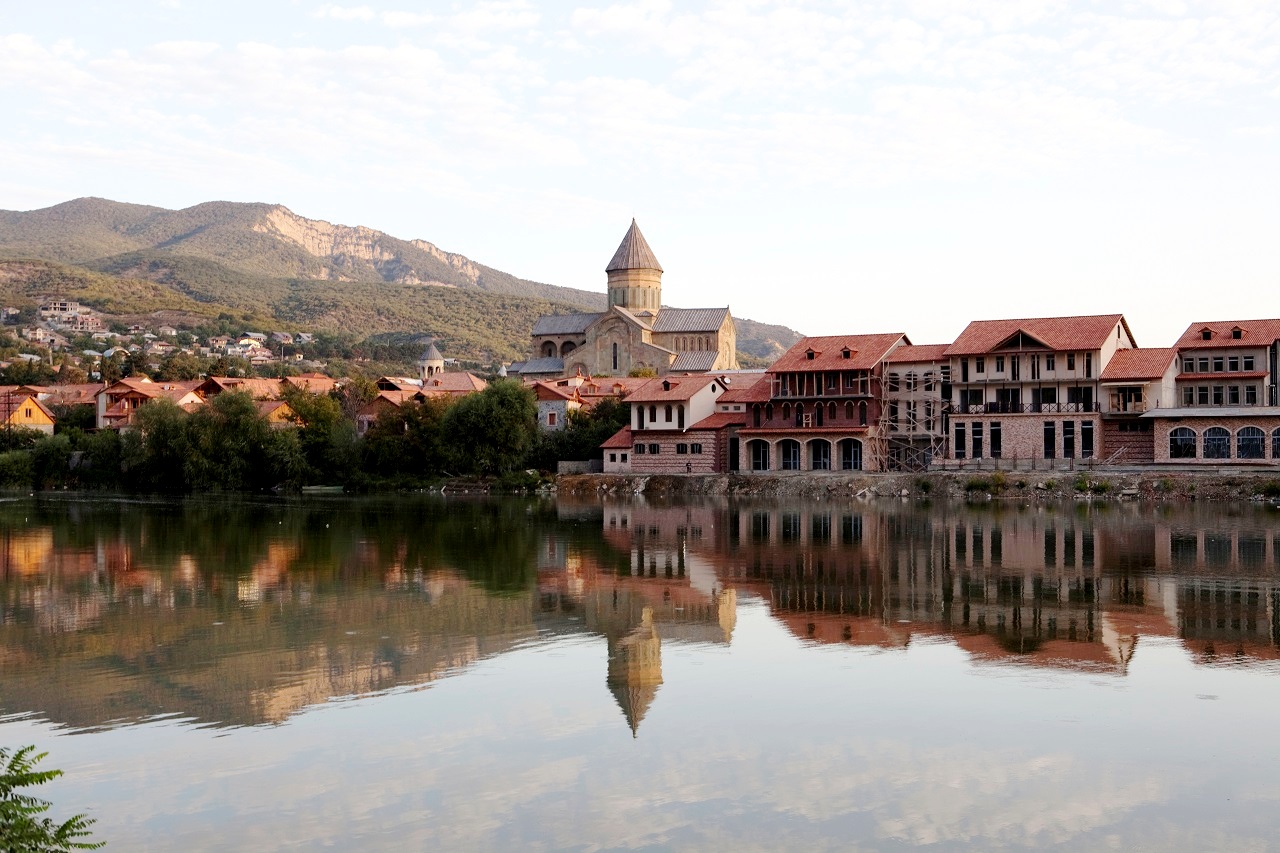
This full-day cultural tour combines Tbilisi and Mtskheta - the modern and ancient capitals of Georg...
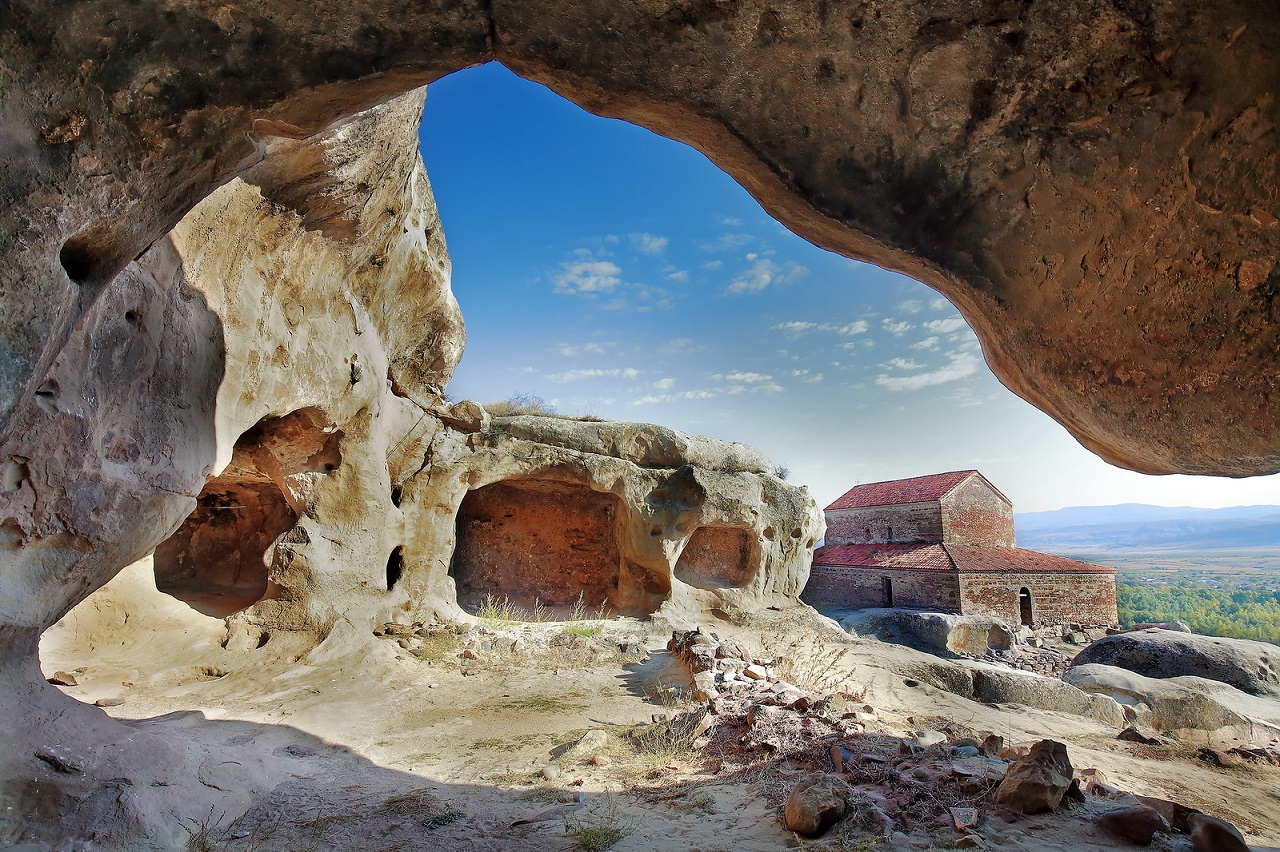
Mtskheta, Gori & Uplistsikhe day tour offers a journey through some of Georgia’s key cultural an...
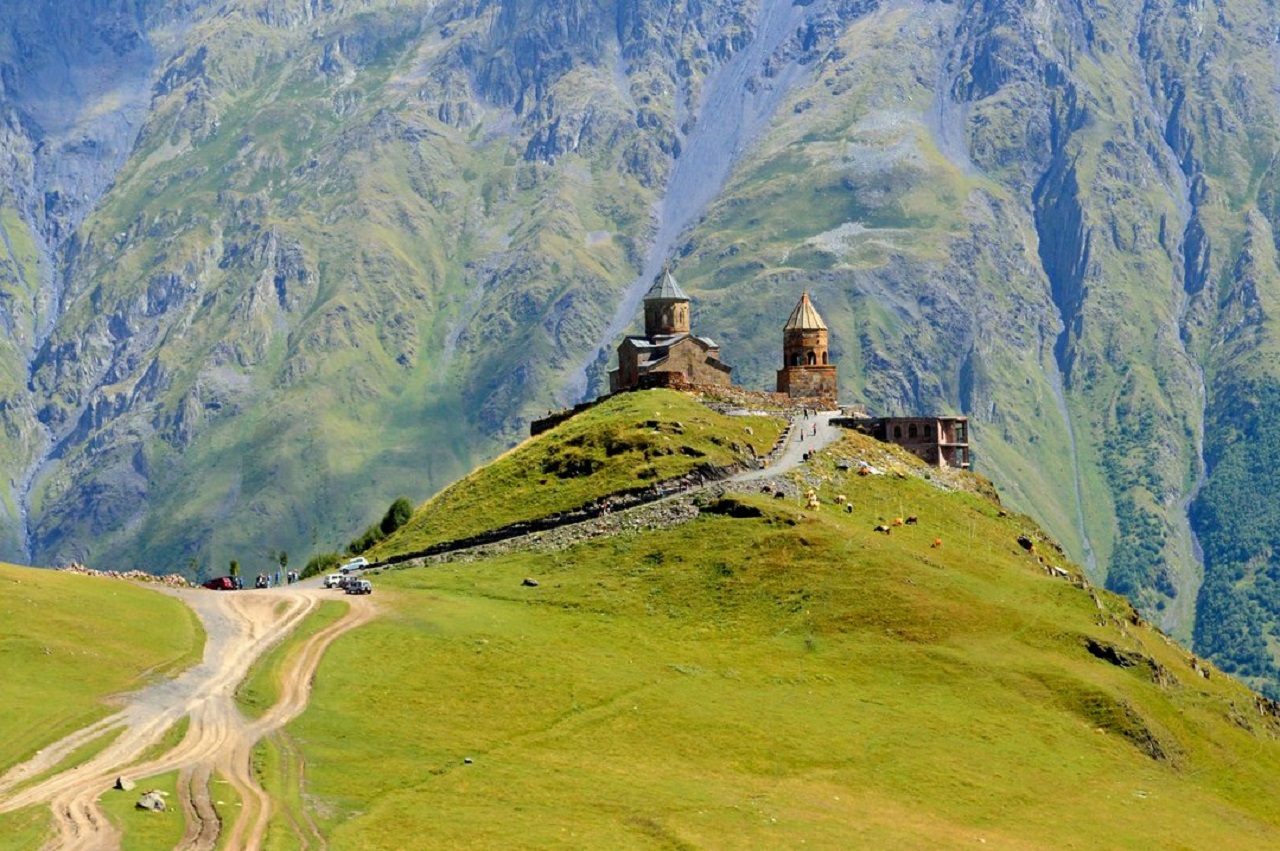
Best of Kazbegi Tour takes you to one of Georgia’s most spectacular mountain regions - Kazbegi (Step...
Discover the highlights of Eastern Georgia through scenic hikes, mountain landscapes, ancient monast...
Complete Georgia Hiking Tour is a 19-day journey across Georgia combining easy hikes, cultural landm...
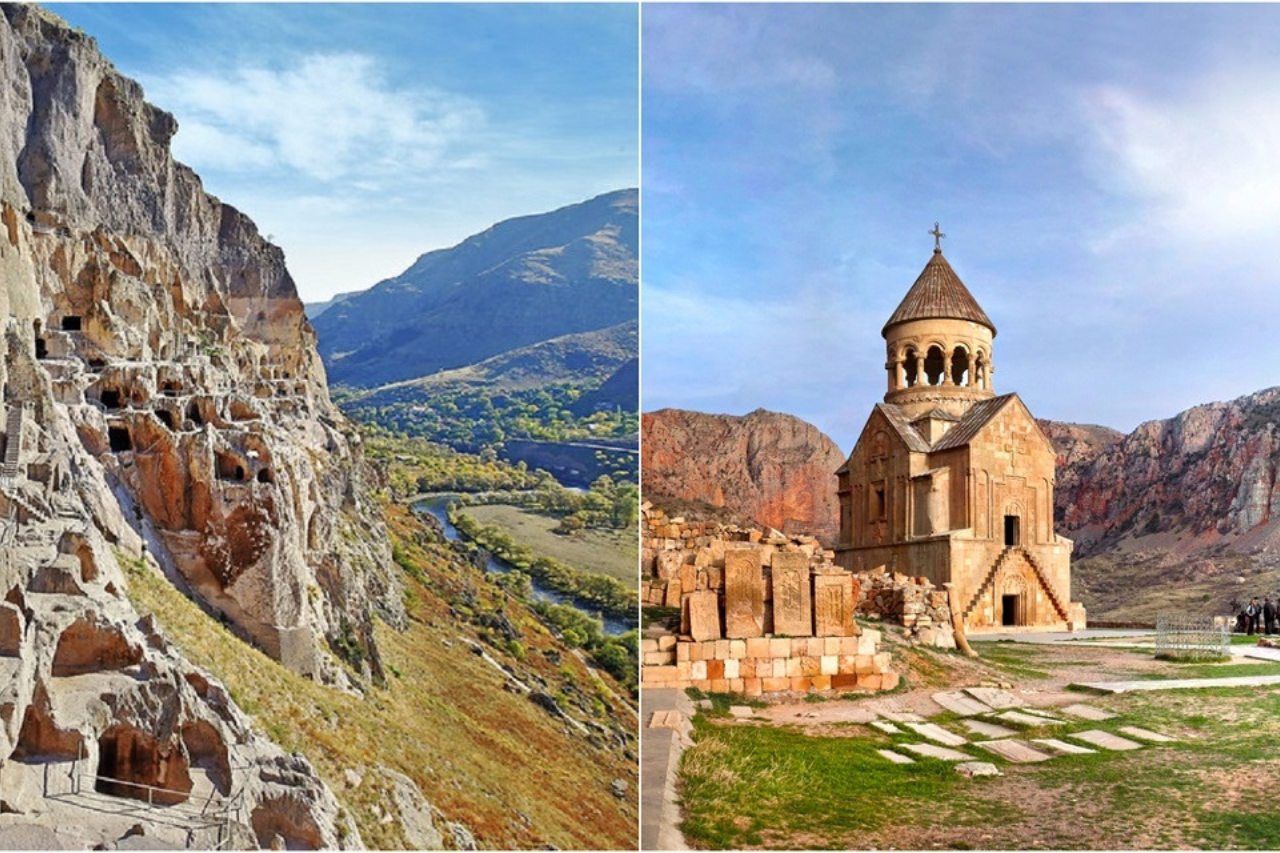
Discover the beauty of the Caucasus on this 10-day Georgia & Armenia Hiking Tour featuring sceni...